Physical Intelligence, the San Francisco robotics-AI lab founded by ex-Google DeepMind researchers, is in early talks to raise at least $1 billion at a valuation of roughly $20 billion, Bloomberg reported on October 27. Existing backers Lux Capital and Avenir are in talks to lead the round, according to people familiar with the matter. If it closes near those numbers, the deal would nearly double the $11 billion or so the company secured earlier this year — and mark one of the largest valuations ever attached to a robotics software company.
Twenty-four hours later independent outlets were still unpacking the same report, with Quartz and others running follow-ups off Bloomberg’s wire. As of publication, neither Physical Intelligence nor its investors have confirmed the talks — this is a reported negotiation, not a signed round, and both stories attribute every number to unnamed people familiar with the discussions.
The eightfold climb
The trajectory is the story. In November 2024 the company raised $400 million at a $2.4 billion valuation, with Jeff Bezos, OpenAI, Thrive Capital and Lux Capital among the backers — the round that made CNET’s laundry-folding-robot framing the memorable shorthand. A $600 million Series B led by Alphabet’s CapitalG followed in late 2025, lifting the valuation to $5.6 billion. By March 2026 the company was reportedly seeking $1 billion at more than $11 billion, a round that doubled its worth in four months. The current talks, if they land near $20 billion, cap a run that multiplies the 2024 valuation roughly eightfold in about two years.
What changes between those rounds? Not revenue — Investing.com’s syndication of the Bloomberg piece states the company has none. Not a product, either; Startup Fortune leads with the observation that nothing Physical Intelligence has built sits on a store shelf. What changes is the belief that robot foundation models are the next platform layer, and that whoever trains the general-purpose “brain” first owns a position comparable to what foundation-model labs hold in language AI.
What the money is actually betting on
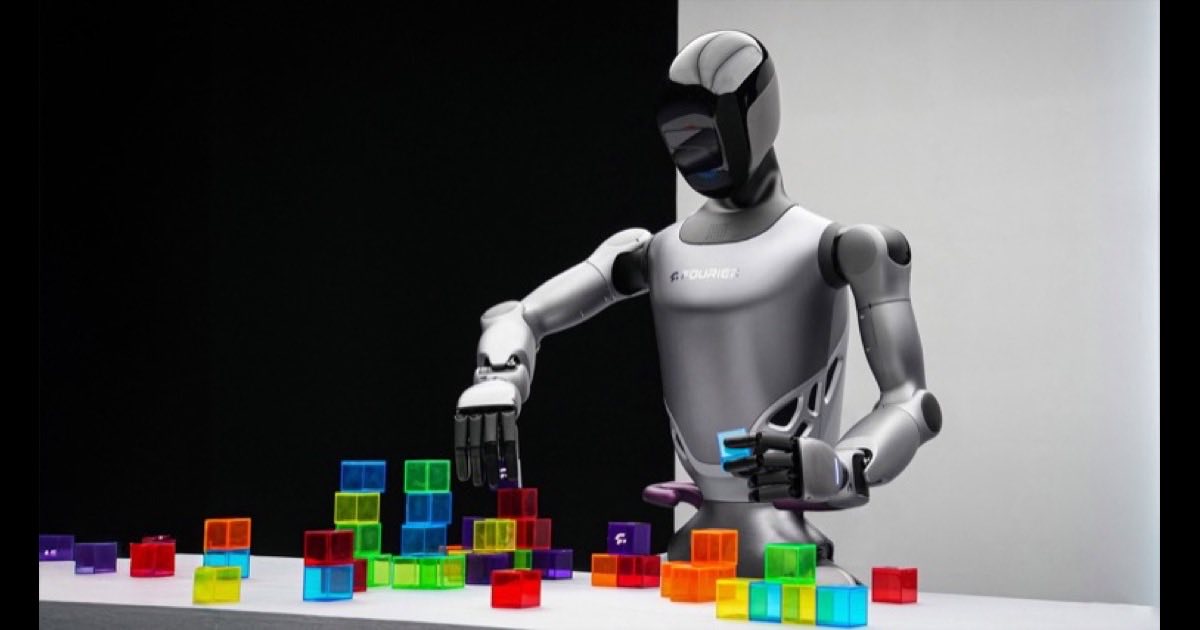
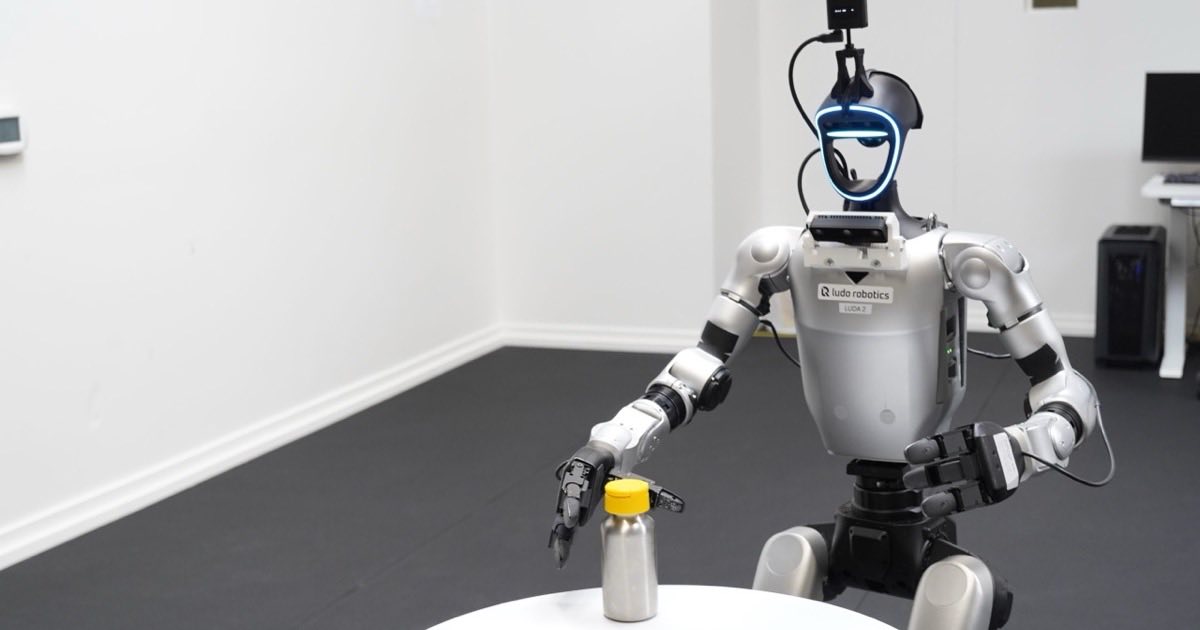
Physical Intelligence builds what it calls general-purpose models for physical world interaction — the pi-0 series — trained to control diverse robot hardware on tasks ranging from laundry folding to box bagging. The pitch is hardware-agnostic: one model that works across arm designs and embodiments, so that robot makers buy the brain instead of building it. Earlier this month the company opened beta access to its latest models for outside developers to fine-tune, a step Investing.com reports helped catalyze investor interest in the current round.
It is a bet on the operating-system layer. If robot fleets multiply across warehouses, homes and factories, the argument goes, most of them will run a shared foundation model the way most phones run one of two mobile operating systems. The cap table is a who’s-who of people making that bet early: Bezos, OpenAI, Sequoia, Thrive, Lux, CapitalG, with Founders Fund reported to have joined in the $11 billion round.
Is a $20 billion pre-revenue robotics lab rational?
Honest answer: nobody knows, and the markets are explicitly pricing uncertainty. Two years ago FieldAI raised $700 million at a $10 billion valuation — also pre-revenue, also foundation-model-first. Generalist followed at a $3 billion valuation, and warehouse specialist Ultra Robotics pulled $62 million for its OP1 pick-and-place system. Capital has decided that embodied AI is the next funding frontier, and it is pricing these labs like frontier-model companies: enormous option value, zero current cash flow.
The defensible case for Physical Intelligence specifically is sequencing. Robot hardware is compounding fast — humanoids, warehouse arms, home machines — but every new robot still needs its intelligence written largely from scratch. If one lab’s model genuinely generalizes across that hardware, its marginal cost of serving each new robot category approaches software margins. That is the story the cap table is buying, and it is at least coherent.
The defensible case against it: task lists matter more than demos. Installing light bulbs and sorting dishes in a demo environment is very far from doing them in a stranger’s house at acceptable reliability. We have watched “nearly human” robotics claims collapse twice before — and Physical Intelligence’s own research papers, while genuinely strong, are measured on simulation benchmarks whose translation to messy homes remains unproven. A $20 billion price assumes the translation works at scale, soon.
A smaller-company observation worth keeping: the money these labs raise is increasingly a moat in itself. Compute budgets of this size buy data-collection fleets and talent that smaller roboticists cannot match, which means the next round of robot-brain startups will need to differentiate on niches the giants ignore — a pattern we’ve tracked across the funding ladder all year. For New Zealand’s small robotics scene, the practical read is that the general-purpose layer is being locked up by US capital; the openings left are vertical applications and service models built on top of other people’s models.
None of this is confirmed by the company, and valuation talks collapse all the time — at least one $11 billion-era suitor reportedly walked. If the round signs near $20 billion, Physical Intelligence becomes the most valuable robotics software company ever funded without shipping a unit. Watch what the money buys: data-collection scale, not headcount, is the tell for whether the foundation-model thesis is real.