Tesla has notified Germany’s competition authority of plans to acquire EMAG, the machine-tool maker near Stuttgart whose equipment produces the gears for humanoid robot joints Automotive World. The transaction details are not disclosed, Tesla declined to comment, and EMAG did not respond to Reuters’ request, the wire reported on November 27 — the same filing Reuters corroborated through syndication on MarketScreener.
The filing was not a surprise. Tesla had already been building its own paper trail around EMAG’s headquarters. Germany’s company register shows a company registered in August as a generic shell, Blitz 26-299 SE, renamed this month to Tesla Machining Technologies Management SE, with €120,000 in share capital and a business address at Austraße 24 in Salach — EMAG’s home base, as Electrek laid out on November 25. Its three listed managers, per Business Insider Germany, are Tesla Germany’s head of sales, an American robotics engineer, and the head of HR at Tesla’s Grünheide factory. The HR chief matters: you don’t need one to hold a passive stake in a supplier, but you do to take on employees.
Local reporting has been running ahead of the paperwork for over a week. The Stuttgarter Nachrichten reported that EMAG briefed its workforce at a staff meeting in mid-November, and says around 220 EMAG employees would move to Tesla, with the machine-tool company and the carmaker having worked together for some time. None of that has been confirmed by either company.
Why a gear shop matters to a robot company
EMAG’s roots go back to 1867. It makes turning, grinding and gear-cutting machines, mostly for car drivetrains, and the auto slowdown hit it hard: it announced 455 job cuts in Germany a year ago and lost €42 million on €496 million of revenue in 2024, according to Business Insider. It has been searching for investors ever since.
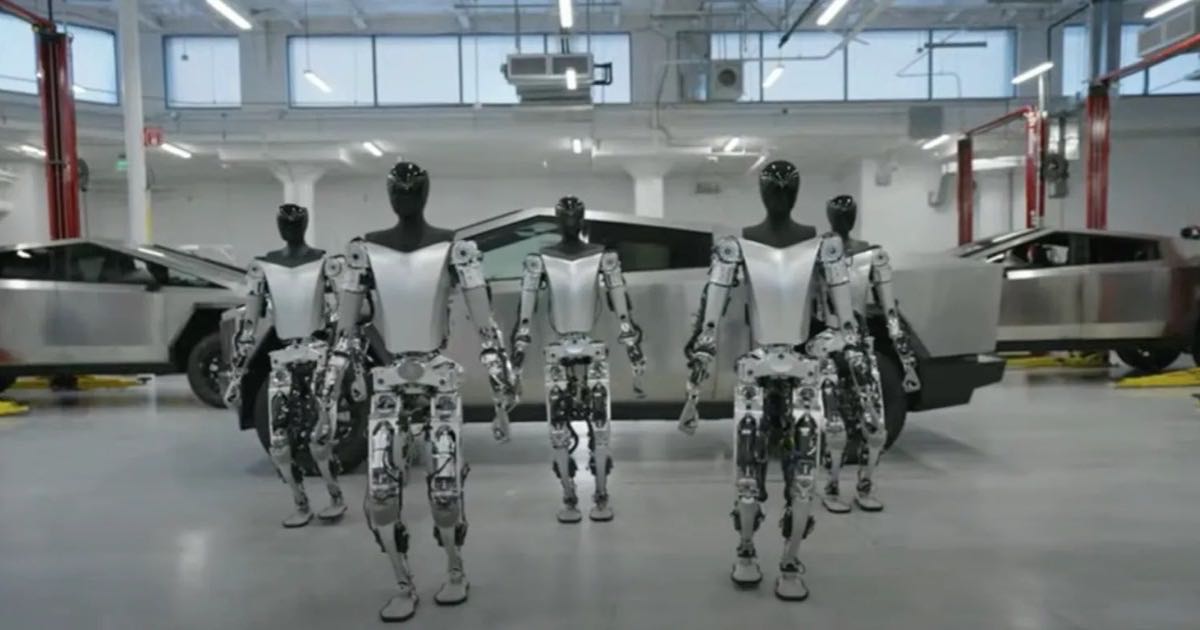
But EMAG has also been chasing a newer, livelier market: on its website it markets machines for the flexsplines, wave generators and planetary gears of humanoid robot actuators — the strain wave gear, the compact high-reduction gearbox that makes a robot wrist precise enough to thread a cable and light enough to be cheap. That is a narrow lane, and Tesla is jammed in it. On Tesla’s third-quarter earnings call, Elon Musk named the hand as Optimus’s main hardware challenge and flagged custom gears as a reliability concern, while Tesla installs a Fremont line designed for a million robots a year — the kind of ramp we have been tracking.
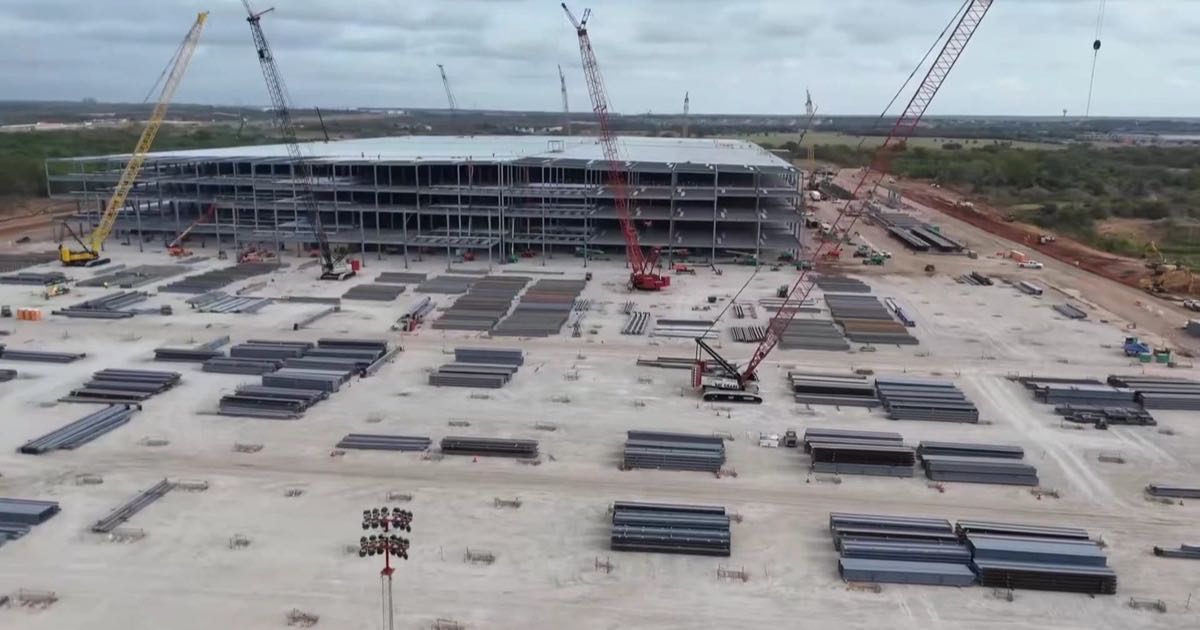
The strain wave lane is crowded for good reason. Schaeffler built its own humanoid-grade gearbox production line because the same part is a bottleneck across the industry: every arm, hand and gripper needs dozens of them, nobody’s yield is mature, and the actuator stack is where most of a humanoid’s cost sits. Tesla has leaned on outside supply so far — its Chinese supply chain pieces and the fremont factory steel push show a company buying its way toward volume — but gears are precision tooling territory where machine quality decides part quality.
EMAG’s pitch for the acquisition, if it happens, is exactly the kind of control Musk wants: the machine that cuts the flexspline, owned by the customer that ships the robot.
The pattern: Mittelstand finds its robot exit
There is a second story here that has nothing to do with Tesla. Germany’s precision machine builders are the natural supplier base for the humanoid era — strain wave gears, gear-cutting machines, grinding rigs are all Mittelstand specialities — but their incumbent customers in autos are shrinking, and the losses EMAG took in 2024 are what a company looks like when it is waiting to be picked up.
Tesla is not the only one buying. China’s actuator makers and Japan’s Harmonic Drive have been consolidating the same niche for years, and the pattern on this site — Schaeffler’s line, the actuator supply squeezes, the price war in humanoid BOM costs — keeps pointing the same way: the robots are getting cheap for the same reason gears are scarce. Someone owns the bottleneck. A Tesla that owns the tooling to cut its own flexsplines stops bidding for them, and the rest of the industry inherits the market price it creates.
Germany’s competition authority will review the filing first, and neither company has said a word. If it moves to a deal, the 220 Salach employees become the canary for how this wave of robot supply-chain consolidation treats the plant floors it lands on.