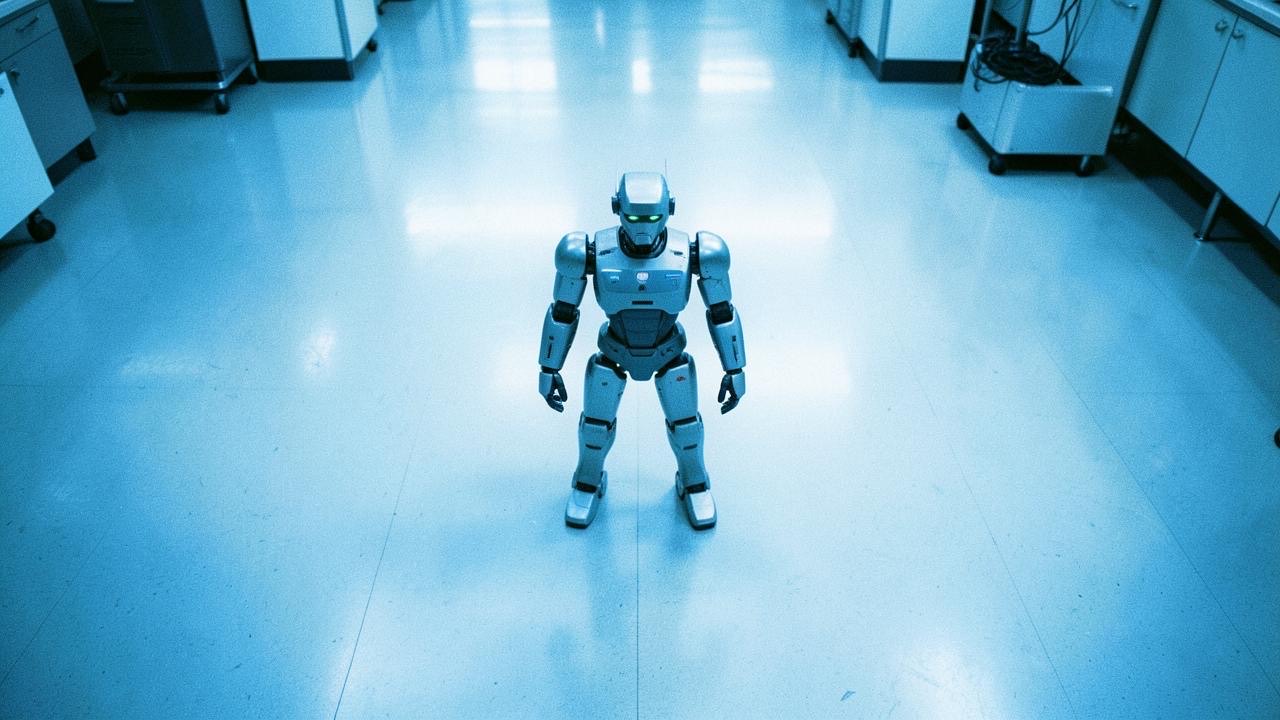
Unitree
The price disruptor. G1 at $13.5K changes the math for everyone.
Key specs
Latest developments
Price dropped to $13.5K, undercutting every competitor in the humanoid space.
US Commerce Department opens Section 232 review of Chinese humanoid imports, signalling potential trade barriers.
G1 shipping globally with OTA software updates, bringing continuous improvement to deployed units.
16 configurations available from $13.5K to $73.9K, spanning research, education, and industrial variants.
Timeline
Focus areas
Price disruption
The defining feature of Unitree's strategy. At $13.5K, the G1 is 5-10x cheaper than competitors like Tesla Optimus and Figure 02. This forces the entire industry to compete on cost, not just capability.
Open ecosystem
Unitree provides SDKs and APIs for developers, making the G1 accessible to research labs and universities. The "Android of humanoids" approach — open enough to customise, cheap enough to experiment with.
Research & education
The low price point makes the G1 viable for academic research. Universities that couldn't afford a $150K humanoid can now field multiple G1s for the same budget.
Warehousing
Initial commercial deployments focus on logistics and warehousing — structured environments where the G1's capabilities match the requirements without needing advanced general intelligence.
Why it matters
Unitree is the Chinese answer to the humanoid race — and it's working. At $13.5K, the G1 is cheaper than a car. The quality gap is real, but the price gap is massive. Unitree forces every competitor to compete on cost, not just capability.
The "Android of humanoids" label is earned: open enough for researchers, cheap enough for anyone. Whether that's enough to win against the vertically integrated approaches of Tesla and Figure AI depends on how fast Unitree can close the software and quality gap.
In a race where everyone is building supercars, Unitree built a Corolla. And a Corolla wins by being everywhere.