Australia’s world-first under-16s social media ban went before the country’s highest court on Tuesday, with Reddit and a libertarian advocacy group arguing the law unconstitutionally excludes children from political communication — while on the other side of the world, Turkey quietly became the first country to run a state-operated age-verification token system, which took effect on Sunday, as Turkish Minute reported. Two governments, two entirely different answers to the same question: who checks whether a child is old enough to be online — and what does the child give up in the checking?
🔍 THE BOTTOM LINE
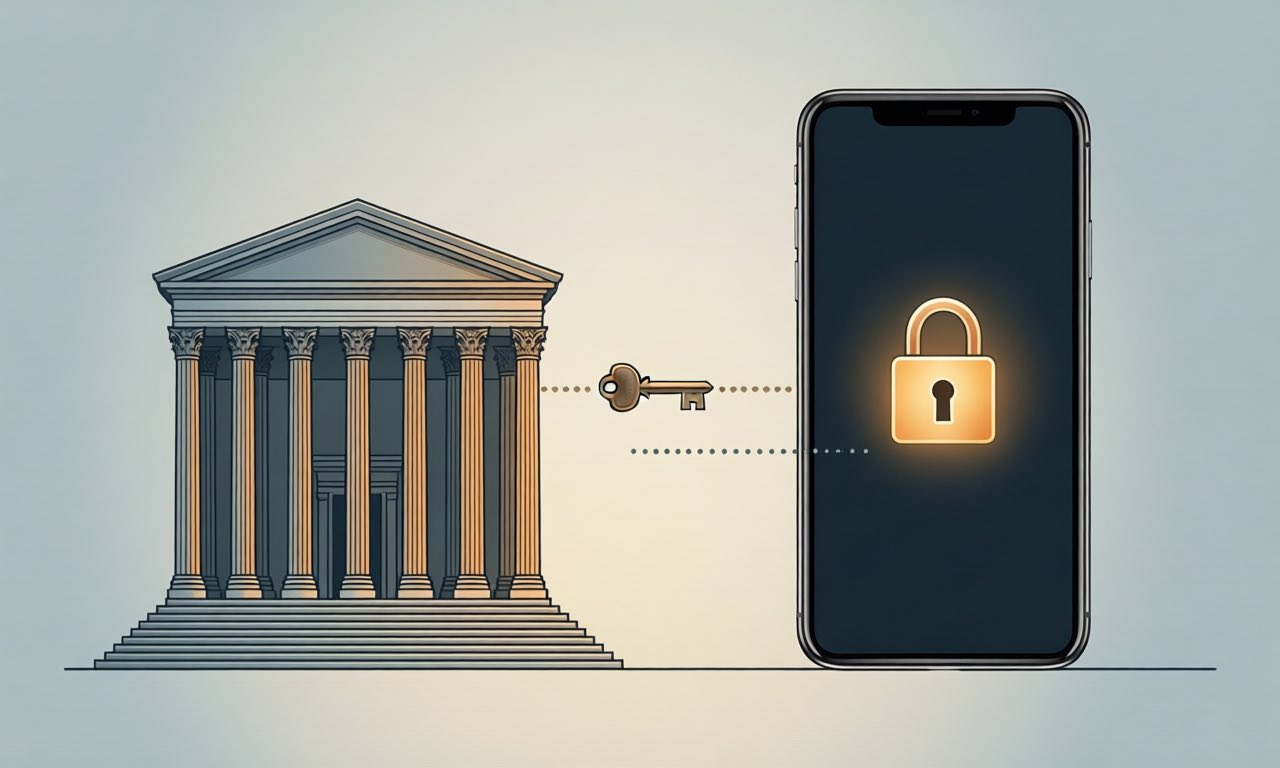
The Canberra hearing and Turkey’s launch are the same policy arriving through opposite machinery: Australia’s ban is being stress-tested in court for burdening a constitutional freedom, while Turkey’s system routes every age check through a government portal whose digital token — by design — carries no name, no username and no purpose beyond the age threshold it asserts. Which model spreads first is now the live question for every jurisdiction writing child-safety law in 2027, including New Zealand’s.
What Reddit told the High Court
The case, argued before all seven justices across Tuesday and Wednesday, joins two challenges: Reddit’s own suit and one from the Digital Freedom Project, an advocacy group led by NSW Libertarian MP John Ruddick, per ABC News. Both target the same constitutional seam — Australia’s implied freedom of political communication.
Reddit’s counsel, Perry Herzfeld SC, argued the ban was rushed and badly fitted: the 2024 legislation passed within a week with only 24 hours of submissions, after a 2021 parliamentary inquiry had declined to recommend any ban at all, according to The Guardian. Reddit also argues the ban makes things worse, not better — registered accounts carried in-built safety features, while children who lose accounts can still see the same content logged-out, just with no protections attached. The company says it will keep complying with the ban while it challenges the law.
The government’s position, per Politico’s court coverage: the burden on political communication is modest and justified by the harm. Early signals from the bench are not gentle — Politico reported that several justices suggested the burden on political communication may not be substantial, that children can participate in public debate in other ways, and that the harms of social media are not trivial.
Turkey’s answer: the age token
On Sunday — the same ban Australia’s court is now weighing took a different route entirely in Turkey — a regulation published in the Official Gazette on 10 October came into force: platforms serving Turkish users can no longer offer accounts to children under 15, and every age check runs through e-Devlet, the government’s services portal, as Hürriyet Daily News reported.
The mechanism is the part the rest of the world will study. Users authenticate with the state, receive a digital token stating only whether they clear the 15 or 18 threshold, and hand that token to the platform. The government’s design claim: the token carries no names, no usernames, no identifiers — the platform learns a threshold result, not an identity. Existing accounts must be verified by 31 March 2027; teens aged 15 to 17 get a restricted tier with private-by-default accounts, limited DMs and no personalised advertising. Platforms that fail face fines of up to 3% of global turnover under Law No. 7578.
Freedom House, per Turkish Minute’s coverage, has warned that mandatory age checks threaten online privacy in a country where online expression is already heavily restricted — the objection is not the child-safety goal but who holds the key.
The fork in the road: state key or platform key
Set the two systems side by side and the real disagreement comes into focus. Australia’s system outsources age assurance to platforms, which choose their vendors — and, as this site covered when the “papers, please” internet architecture took shape, that route multiplies the number of companies holding age data on every citizen. Turkey’s centralises the check in the state itself, which solves the data-sprawl problem only by making the government the gatekeeper — in a jurisdiction already rated “Not Free” for online expression by Freedom House, with a score of 31 out of 100.
Neither option is a clean privacy win. Australia’s ban, as earlier eSafety reporting found, was built partly on advice containing fabricated citations, and nearly five million accounts have been removed since December — with the eSafety Commissioner’s own July figures showing four in ten children aged 10 to 15 still active three months in. Turkey’s token is elegant in the abstract but runs on state infrastructure in a country where the same state jails people for posts. The child-safety goal is genuinely shared; the difference is whether you fear the database or the portal more.
For New Zealand, which has watched both from the front row, the practical question is narrower: any NZ child-safety regime will borrow its verification machinery from one of these camps, and neither has yet survived the two tests that matter — constitutional challenge in Canberra, compliance reality in Ankara.
❓ FAQ
What is the Australian High Court being asked to decide? Whether the under-16s ban unreasonably burdens Australia’s implied freedom of political communication. Reddit and the Digital Freedom Project argue it does; the Commonwealth argues the burden is modest and justified by child-safety harm reduction, with hearings running Tuesday and Wednesday.
How did the justices appear to react? Politico reported several justices questioned whether the burden on political communication was substantial, noting children can engage in public debate in other ways — early signals that appear unfavourable to the challengers, though judgment will take months.
How does Turkey’s age token work? Users verify through e-Devlet and receive a token indicating whether they clear the 15 or 18 threshold. The regulation says the token carries no name or identifying information and cannot be used for any other purpose; it took effect on Sunday for new accounts, with existing accounts to be verified by 31 March 2027.
Does any of this matter for New Zealand? Yes — NZ has no equivalent regime yet, and both models are candidates. Any NZ adoption inherits either a platform-vendor age-assurance market or a state-issued token, with the privacy trade-offs documented here.
🔍 THE BOTTOM LINE
Two democracies just bet on opposite architectures for the same problem. Australia bet that platforms can be made to verify age without the state touching the data; Turkey bet that only the state should hold the key at all. The next twelve months will produce a natural experiment no policy designer asked for — a constitutional verdict in one hemisphere, a compliance deadline in the other — and whichever model survives with its credibility intact becomes the template everyone else, New Zealand included, copies.
📰 Sources
- The Guardian — Reddit’s High Court arguments and hearing timeline
- ABC News — joint challenge, ban mechanics, eSafety account figures
- Politico — bench signals on the first hearing day
- Turkish Minute — e-Devlet token system launch, Anadolu reporting
- Hürriyet Daily News — regulation detail, tiered age groups, turnover fines