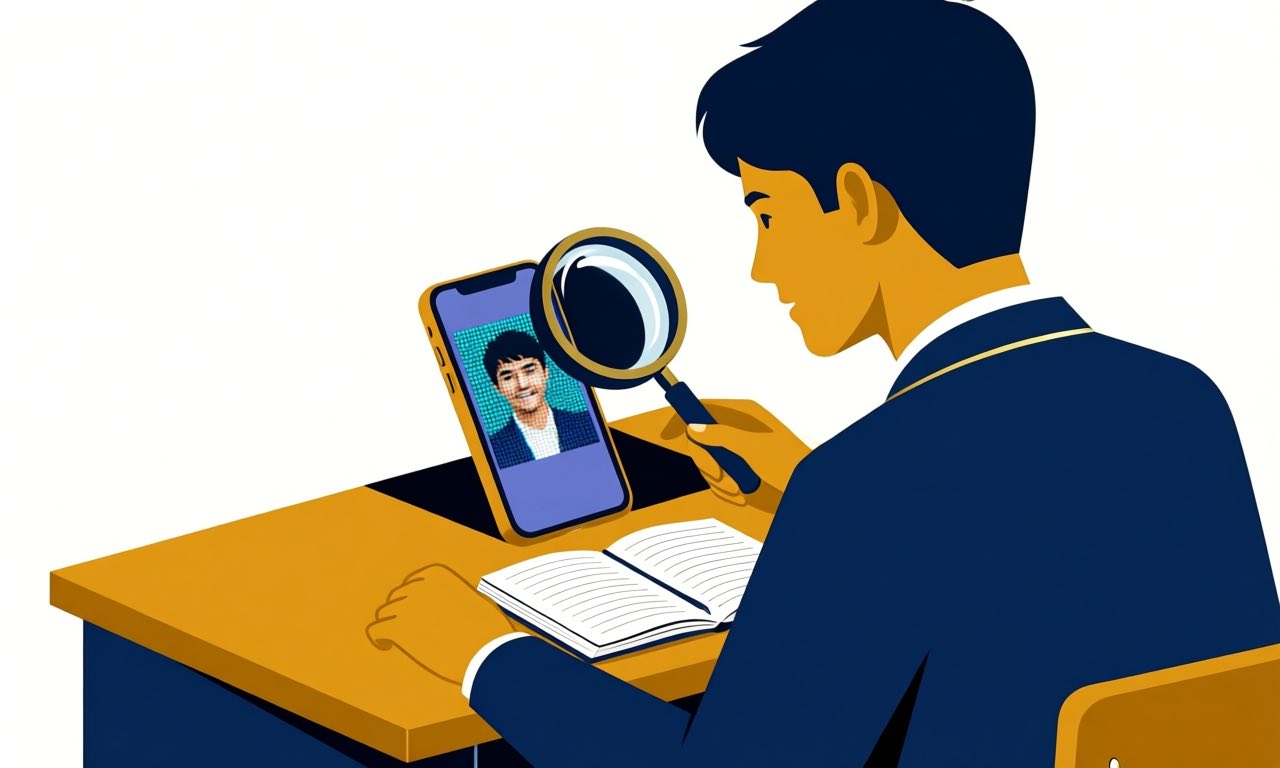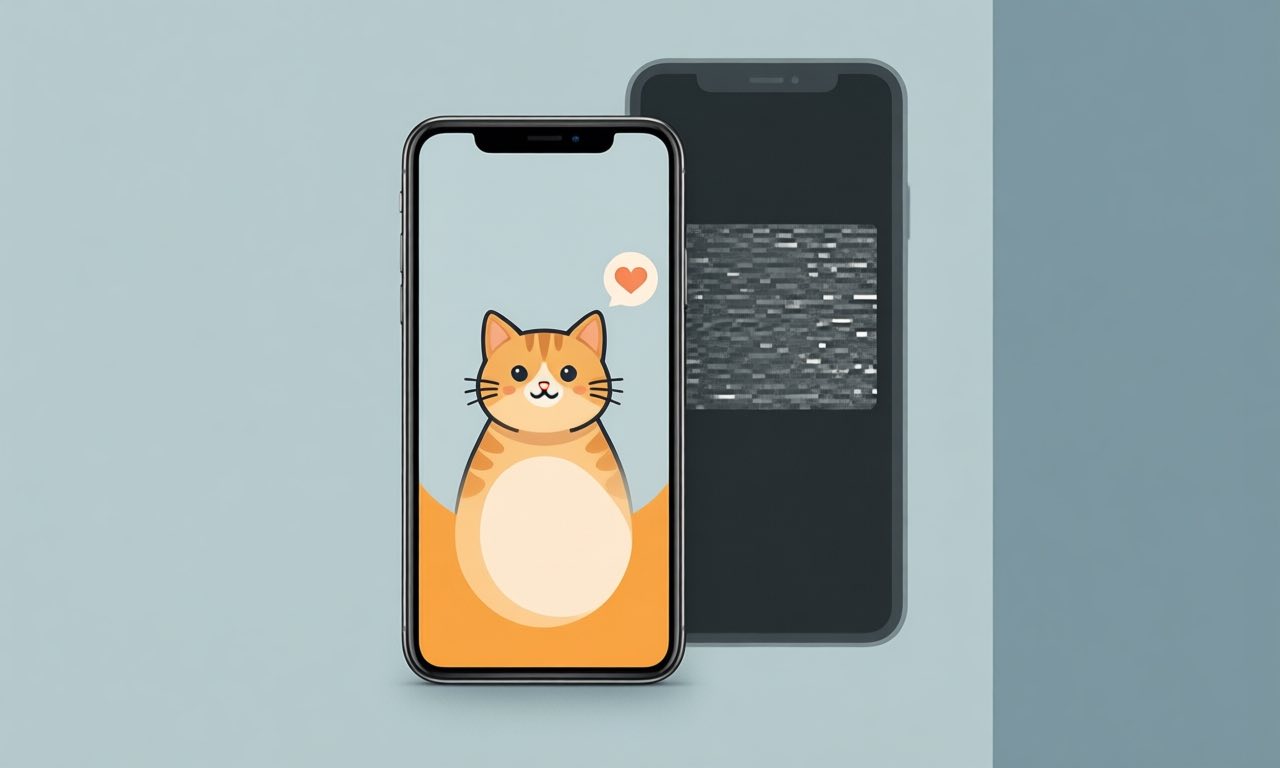
More than 400 apps and connected domains that presented themselves as harmless AI services — pet portraits, outfit swaps, language tuition, workout coaching — could silently switch to explicit deepfake generators once installed, according to a WIRED investigation published Monday, built on research by the nonprofit AI Forensics and by domain-intelligence firm Infoblox. Apple has since removed 19 of the apps, including the pet-photo app Viefur; Google pulled the popular DiffAI app shortly before reporters asked it about the network.
🔍 THE BOTTOM LINE
This was not a moderation miss — it was an operation engineered to pass moderation: hundreds of disposable apps rotated before review caught up, and the switch to the explicit layer waited until an app had been approved and downloaded. As of publication no store has explained how to catch an app whose approved version is genuinely benign and whose remote server decides, user by user, to serve something else.
How the switch worked
The apps’ advertised features worked as advertised. Viefur really did turn a pet photo into a cartoon portrait — a hamster in beach shorts, a cat in a Hawaiian shirt — with in-app coins at roughly $4 a batch. What researchers found underneath, per the WIRED report: after install, the apps contacted remote servers that decided whether to show the benign interface or load a web layer with explicit deepfake tools, where users upload photos of real people into templates. One trigger for the explicit variant was arriving via an ad on Meta’s platforms; language and device signals also played a role.
The hidden web layer held the network’s own wiring diagram — researchers found references to hundreds of connected apps and domains, encryption keys and Facebook ad trackers in its code. Maël Le Touz of Infoblox mapped nearly 500 linked domains sharing the same code skeleton, registration records show the family multiplying from late 2025 with a spring 2026 spike — at one point around 30 nudify sites were being registered per week. In September, 27 related apps were still live on Google Play with more than 350,000 combined downloads, several rated suitable for all ages.
A year of ads in plain sight
The operation was discovered, in effect, by its marketing: investigators followed thousands of video ads carrying explicit deepfake content on Facebook and Instagram, which led back to the app stores, AI Forensics’ report describes an operation it calls commercial and organised — one operator, hundreds of disposable apps and domains, cloaked to pass app-store review, promoted through tens of thousands of ads under fake payer names. Some of the ads themselves featured AI-generated sexual imagery of real children, including images of real children and a European royal family member, which is what drew the Tech Transparency Project’s attention.
Meta’s response, as reported: it has taken action against 11,600 ad accounts, more than 4,700 business pages and 209 apps, and had already banned Hong Kong-registered Keling Technology — identified by researchers as a central operator — from advertising in 2025 after the company ignored a cease-and-desist. The apps’ developers did not respond to reporters’ requests for comment; the allegations from researchers have not been tested in court, and the sites themselves now sit behind blank or vanished pages.
Apple said the apps met its rules at initial review — the bait-and-switch happened after approval — and that it suspended tens of thousands of apps over the past year for that tactic. Google removed DiffAI just before being contacted and told no one, publicly, anything else; most related apps were gone from Play before Google answered questions. Neither store has proposed a review mechanism for what happens after approval, which is where this network lived.
The enforcement race the stores just lost
Three platforms with published bans on nonconsensual intimate imagery hosted this network for about a year, and the EU’s forthcoming AI Act nudification ban lands in a month — against operators who have already demonstrated they rotate domains faster than review cycles. This is also infrastructure abuse rather than model abuse: nothing here requires a frontier model at all, only a generic image tool and an app store, which is why the provenance-standard work on verifying real photos is a parallel necessity, not a competitor fix.
There is a New Zealand angle: NZ’s own deepfake criminalisation bill passed its first reading unanimously and is working through committee, and the class of person this network targeted — private individuals, not celebrities — is exactly the class our law is attempting to cover. Enforcement against the supply side has now visibly failed three times over in a single year: the network kept running through Apple’s rules, Google’s removals and Meta’s ad bans simultaneously. What actually bit was not any store’s moderation but the EU’s statutory ban approaching with criminal exposure — the same wager, in effect, that NZ’s Parliament is currently making.
❓ FAQ
What did the researchers actually find? A network of 400+ apps and nearly 500 linked domains presenting as pet-portrait, fitness, salon or language apps, whose installed versions could load hidden web interfaces offering explicit deepfake generation from uploaded photos, per WIRED.
Is it illegal to make a deepfake of someone? In a growing list of places, yes — Minnesota criminalised it in May, and NZ’s deepfake bill passed its first reading in August. Enforcement here depends on finding the operator; the network’s domains are registered behind privacy services.
If the apps were free, who funded them? In-app purchases — coins or “diamonds” bought through Apple’s and Google’s payment rails, at roughly $4 per batch — with ads on Meta steering users to the stores, per AI Forensics’ account.
How do I check if I installed one? The named apps (Viefur, DiffAI) have been pulled. The practical test researchers imply: an “AI” app that contacts you via a Meta-ad install chain and asks for photo uploads against stock templates is the template this network used.
🔍 THE BOTTOM LINE
The measurable fact is that platform review — three stores’ worth of it plus Meta’s ad moderation — ran for a year inside the blast radius of this network and caught almost nothing until researchers followed the advertising trail in from the outside. The EU ban is the first mechanism the operators have visibly reacted to, which tells you where the leverage actually lives: not in content moderation, which the network gamed systematically, but in statutory exposure with fines and criminal reach. For NZ’s Parliament, mid-committee on its own deepfake law, the lesson from this week is that the statute is the part that worked.
📰 Sources
- WIRED — network investigation, app mechanics, Apple/Google/Meta responses
- AI Forensics — “Advertised by Design: A Network of Nudify Apps”
- Firstpost — scale, Keling Technology detail, store responses
- Mezha — independent coverage of the AI Forensics findings
- AppleInsider — Apple’s post-approval change statement, download figures