Coprod, a Swiss startup building standardized hardware components for robotics and physical AI, has raised a $6 million pre-seed round, according to Robotics & Automation News. The round is led by Founderful and Prototype and includes General Catalyst, Pace Ventures, Tiny Supercomputer Investment Company, Kima Ventures, SDAC, Unruly Capital and Venturekick. The angel list is the more telling part: Thomas Wolf, founder of Hugging Face, plus the Dassault family and Florent Perrichon.
The raise has not been independently reported; Coprod’s own website confirms the component line and its early customer footprint, but does not yet list the round. The story is a funding claim reported by one outlet as of publication.
The pitch: kill the integration phase
Coprod’s core claim is about where robot teams actually lose their time. Building a custom robot platform, the company says, normally takes two to three years of work and dozens of domain-specific engineers — and much of that span is burned on what the industry calls “integration hell”: combing through datasheets, then testing, debugging and validating every interface of a mix-and-match component stack before the system is reliable. With Coprod’s stack, by the company’s own numbers, the same work needs “a small team of great roboticists, $5,000 to $25,000 per design iteration, and a few months of time.”
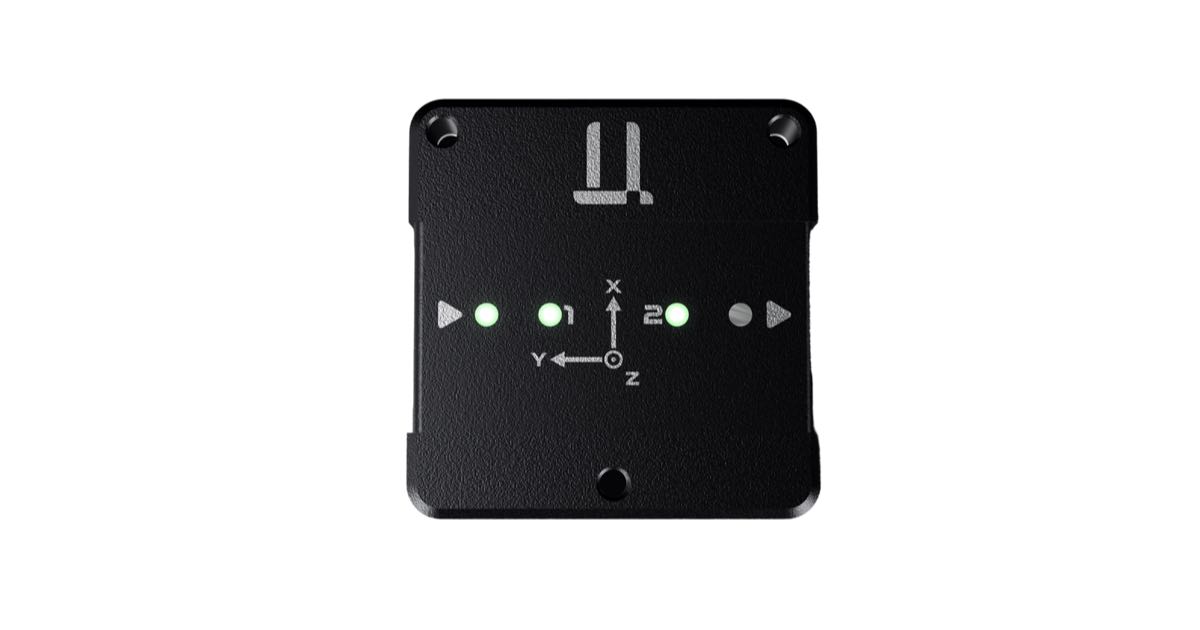
The mechanism is hardware treated like a software dependency. Coprod’s “co:products” — sense, motion, power and battery modules — interoperate over a single EtherCAT bus with sub-millisecond real-time control, per the company’s site, with a software API and configuration tool that standardizes communication between components. Right now that means a co:sense IMU open for preorder; the fuller component line is the round’s first deliverable. Treat the efficiency numbers as the company’s own marketing until validated, but the mechanism is concrete and purchasable.
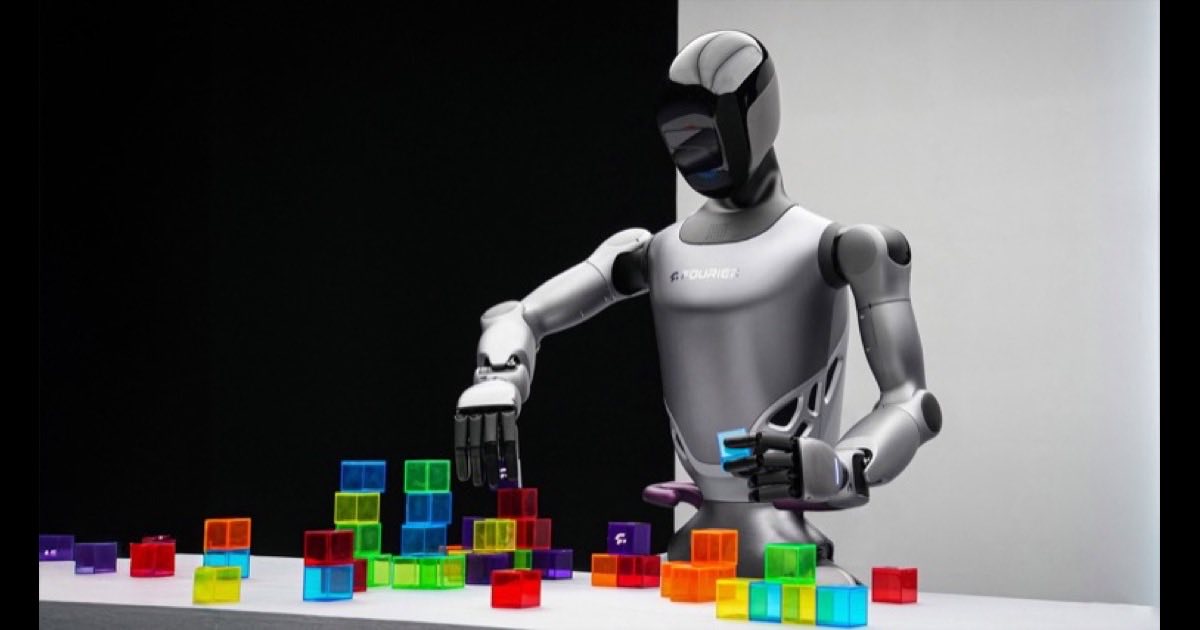
There is at least one proof point outside the company’s own claims: Coprod’s components already power multiple robots in the Swiss ecosystem, most notably the first student-built Swiss humanoid, created by the ETH Robotics Club — which took its first steps a couple of weeks ago in Zurich, per the RAN report. Student clubs are exactly the customer that makes or breaks an SDK-style play: small, skilled, permanently short of time.
From an Alpine garage
The founders are École Polytechnique Fédérale de Lausanne graduates who formed the company in late 2024 specifically to fix component incompatibility, and — a detail that explains the pitch better than the funding math — they started by building a bipedal robot demonstrator in their parents’ garage deep in the Swiss Alps. The round will fund the first commercial component line and a full-stack prototyping workshop in Lausanne, equipped with CNC lathes, mills, lasers and electronics assembly and testing equipment, which the company says will cut its own development cycles from two weeks to 24 hours. First hardware prototypes are being validated with robotics integrators and labs ahead of a market launch early next year.
The market Coprod is aiming at is under-supplied and, by third-party estimates, expensive to serve. A recent McKinsey analysis argues that humanoids are being constrained by the underlying component supply chain — the chain throttling production at companies like Figure AI and Tesla’s Optimus division — and estimates that specialized actuators, sensors and control systems could generate a $28 billion market by 2030, with potential gross margins above 60 percent on component sales.
What the angel list says
The most credible signal in the round is who is on it. Thomas Wolf’s whole career is open infrastructure — Hugging Face built the shared plumbing that let thousands of small teams use models built by dozens of large ones, and a standardized hardware abstraction is structurally the same play applied to robots. Dassault money points the same direction from the industrial CAD side.
The historical caution is that hardware abstraction layers have failed this exact way before: the interfaces that get standardized are the ones that already have a dominant vendor behind them, and cross-vendor generality tends to erode into whatever the reference implementation supports. The ROS ecosystem’s middleware standardized the message layer, then a decade of teams discovered the integration problem had merely moved down into drivers and bus timing. Coprod’s EtherCAT-bus approach attacks that layer directly, which is the right place to attack it — but “right place” is easy to claim from a pre-seed stage deck.
The narrower, safer read: even partial success changes who can build robots. If a small team genuinely can iterate hardware in months at five-figure per-iteration cost, university clubs, industrial labs and small national robotics shops — the sort of teams that could never carry a two-year, multi-dozen-engineer platform effort — become platform builders. That is a real change in the shape of the field even if the $28 billion estimate turns out generous, and it is why a $6 million cheque with a Hugging Face founder on the cap table is worth watching beyond the Swiss ecosystem it starts in.