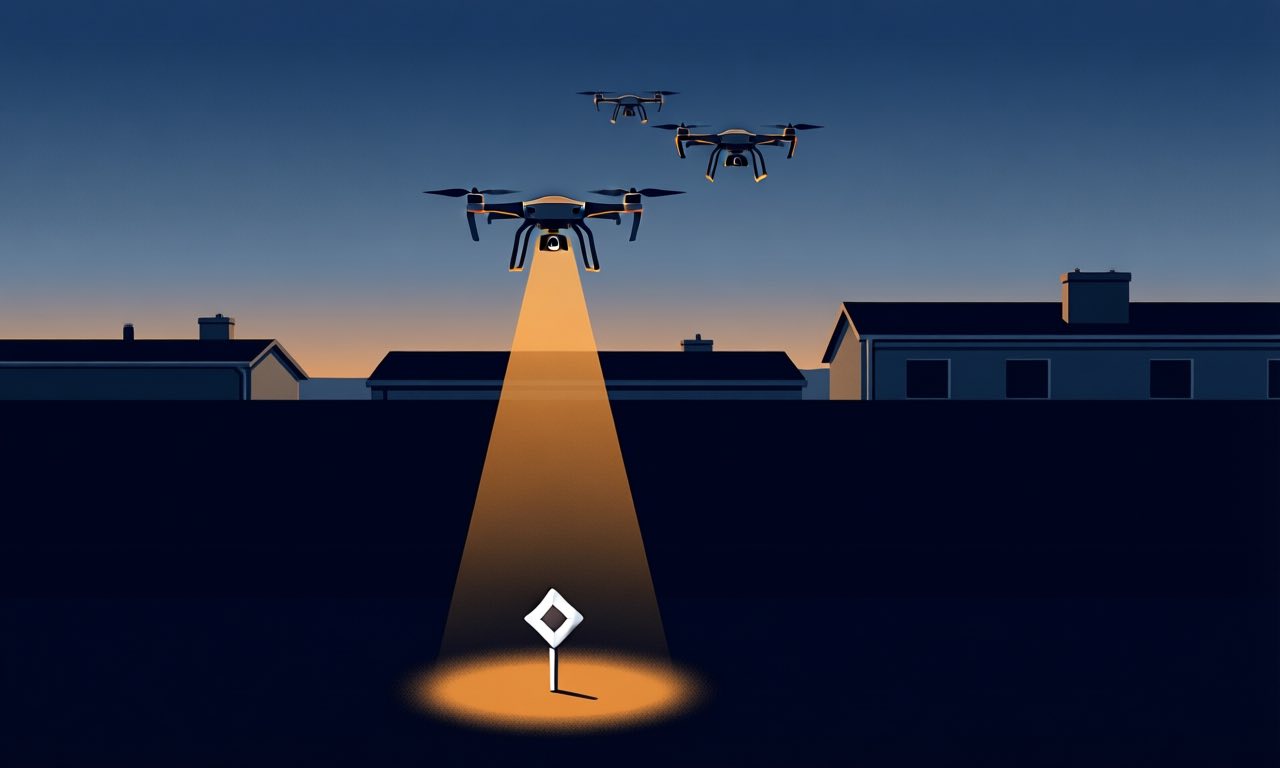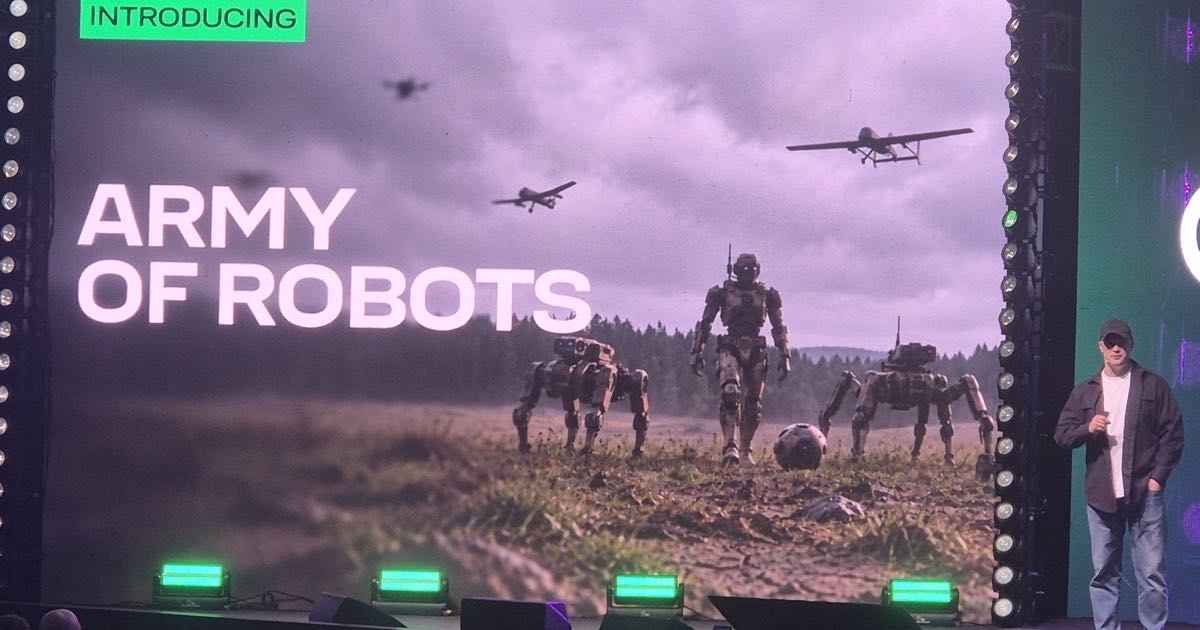
More than a decade of diplomacy on autonomous weapons has produced a deadline for more diplomacy. A United Nations conference on lethal autonomous weapons systems — machines that can identify and engage targets with little or no human oversight, sometimes called “killer robots” — ended in the early hours of Saturday, 21 November Geneva time, with delegates agreeing only that discussions on new rules will continue, with the aim of developing them within two years. As Reuters reported from Geneva, the agreement is deliberately silent on the one question the room came to settle: whether any of those rules will be legally binding.
The text was watered down because the big arms producers refused to sign up to the strongest version. Around 100 states backed legally binding rules, but the United States, Russia and Israel opposed them, and the Convention on Certain Conventional Weapons (CCW) works by consensus. The Independent’s wire report carries the same arithmetic: the watered-down outcome “left open the question of whether future measures would be legally binding.”
A “significant achievement” or a stall?
Which framing wins depends on who is talking. The meeting’s Swiss chair, Julien Thoeni, called the deal a significant achievement for humanitarian disarmament after more than ten years of talks, telling reporters as the session closed around 4 a.m. that “even in today’s deeply divided world, multilateral diplomacy can still deliver concrete results.” A diplomat from a country that wanted binding laws offered Reuters a blunter assessment: the outcome was “disappointing but could have been much worse.”
The overnight mechanics explain the shape of the agreement. Negotiators, per Reuters, spent hours wrangling over “a handful of words” after Russian objections to rules of procedure forced the cancellation of some formal meetings. Every future measure must clear a process requiring agreement from all 128 CCW state parties — a rule that hands any single hold-out a veto.
Why the urgency anyway
States did not gather out of abstraction. Alarm over autonomous weapons grows out of live conflicts, including in Ukraine, Sudan and the Middle East, where target-selection functions increasingly run with machine speed. We have tracked the same drift on this site from several angles: the UN human rights chief’s early warning about AI and existential risk in Geneva, experiments in AI-assisted target-marking games framing strikes as decisions, and the US Army’s frontline Victor AI chatbot show how quickly human-in-the-loop is becoming human-next-to-the-loop.
The moral urgency has an unusual breadth: Reuters notes that the UN secretary-general, the pope and the Red Cross have all called for strong and legally binding rules. When those three line up on one side of a weapons debate and the outcome is still a non-binding timetable, the bottleneck is not public moral pressure — it is the consensus rule plus the interests of states that actually build autonomous systems.
The strongest states have not hidden their preference. On Saturday, Arise TV reported the agreement as “develop rules for killer robots by 2028”, a headline faithful to the timetable but not to the content: no instrument was agreed, and nothing in the text commits any state to accept one.
What happens now
Under the agreement, talks will continue with the stated aim of developing new rules by 2028 — a calendar, not a treaty. Rights groups were scathing. “Delaying the creation of a legally binding instrument puts civilians and humanity at risk,” said Nicole van Rooijen, executive director at Stop Killer Robots, on the sidelines of the conference. Reuters reports some observers and former military officials now believe states should consider a new process outside the CCW framework altogether — the same escape hatch used for the Ottawa landmines treaty, which left the consensus forum behind and negotiated a binding instrument among willing states.
There is precedent for that path in both directions: the landmine and cluster-munitions conventions show a breakaway process can bind its signatories, while the hold-outs rarely join. New Zealand is squarely in the ~100-state camp that wanted binding rules: its Minister for Disarmament and Arms Control committed the government to “push for new international law to ban and regulate” autonomous weapons in a policy release welcomed by the Aotearoa New Zealand Campaign to Stop Killer Robots in November 2021, two years after the same campaign had publicly urged that shift.
The analysis: technology is outrunning the timetable
The uncomfortable read of Saturday’s outcome is that it was bought with time. Rights group criticism, as Reuters put it, is that the deal means “technology now has a chance to overtake diplomacy” — a polite way of saying two years is a long runway for battlefield autonomy while diplomats debate vocabulary. Autonomous targeting is already moving from aspiration to procurement, and every year of “talks about talks” is a year in which the technology’s baseline shifts.
Two things to watch from here. First, whether the 2028 process produces a standalone text or dissolves into another decade of procedural sparring — the chair’s own framing (“concrete results”) tests positive for exactly the optimism rights groups doubt. Second, whether a group of willing states — the roughly 100 that wanted binding rules, New Zealand likely prominent among them — decides the consensus trap has been sprung once too often and negotiates outside the CCW. If that happens, Saturday’s agreement will be remembered as the moment the slow track split from the fast one.
Further reading: Reuters via CNBC, The Independent, Arise News, NPR’s pre-conference explainer.