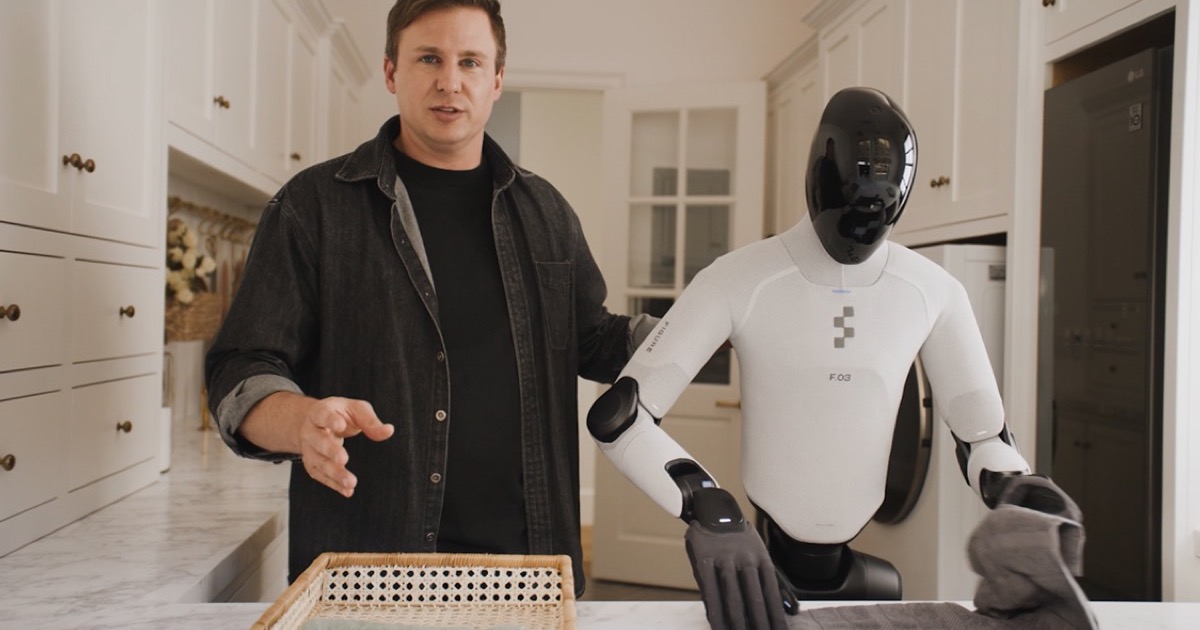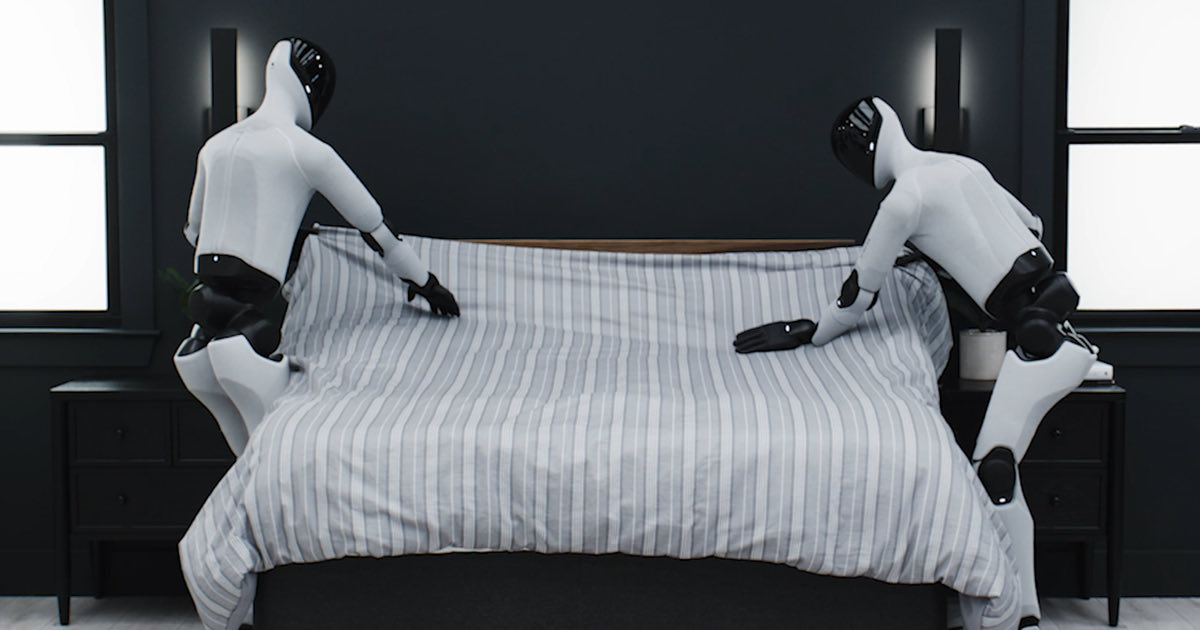
Figure AI is hiring a human to work overnight watching its humanoid robots work. The listing — Humanoid Robot Operator (Night Shift), live this week, verified by this site on 11 November — runs from 10:30pm to 7:00am at the company’s San Jose headquarters, pays $30 an hour, and is contract-to-hire. Business Insider spotted the posting on 10 November, reporting that Figure is hiring a human to babysit humanoid robots overnight (paywalled; headline confirmed via Google News), and the role is also circulating on Figure’s own LinkedIn account.
The job description reads like the anti-autonomy manifesto. The operator must “run the robot constantly throughout the day/midevening, identifying bugs and problems,” file JIRA tickets “to relay failures to the appropriate engineering teams,” handle teleoperation equipment, follow bring-up and shutdown procedures, and physically manage humanoid hardware weighing up to 50 lbs while standing 8+ hours a day. A 2-3 week training at company headquarters precedes the shift, and the workweek includes a mandatory weekend shift.
The irony has a timestamp. In May 2026, Figure announced its Figure 03 fleet had gone fully autonomous around the clock at Sunnyvale — what it called “lights-out” operation, with CEO Brett Adcock declaring an end to what he called the babysitter era. TechFastForward’s analysis of the lights-out announcement framed it as answering the industry’s biggest criticism: that humanoid “autonomy” demos are mostly teleoperation with hidden human operators. Six months later, the company is posting night-shift operator roles with teleop equipment in the duties list.
To be fair to Figure, the two things coexist in any honest reading. The May claim covered the Sunnyvale prototype fleet; the new listing is for commercial deployments, “responsible for the humanoid robot operating successfully for the Customer use case” — robots out at customer sites, where someone still has to be in the loop at 3am when a robot gets stuck. That is not the Wizard of Oz being unmasked; it is the gap between a demo fleet and a service business with uptime obligations. But the posting is also a concrete, checkable artifact of how far from overnight autonomy commercial humanoid deployments actually are: if robots could self-triage at 2am, this job would not exist.
The economics are just as revealing as the job duties. At the posted $30 an hour — with RobotTraining.jobs, a job board that tracks Figure’s feed, noting a $3 night differential and a $30-$65 spread across Figure’s operator roles — a full-time night operator costs about $62,000 a year before overheads, more once the mandatory weekend shift and differentials stack up, to keep robots running that cost a six-figure sum each. The business case for humanoids only closes when the machines displace enough labour or enable enough throughput to cover that overlay. Every shift a human works is margin subtracted, which is why the listing’s own existence is the company’s real status report on autonomy. The same aggregator pegs Figure at 10 open operator roles across day, afternoon and night shifts, notes in its review that the roles are fixed-term or contract-to-hire “with no promised conversion,” and flags that the ex-safety head’s lawsuit alleging a malfunctioning robot nearly hit an employee remains unresolved — an allegation, not a finding.
It is also, quietly, a jobs story for the non-engineering side of robotics. The operator role requires no degree — just mechanical aptitude, sustained focus, and the willingness to stand next to a humanoid at 4am filing JIRA tickets. Figure’s autonomy milestones keep coming — its Figure 03 climbing a ladder autonomously, the Helix model’s zero-shot generalisation across 30 homes — but the night shift is the most honest snapshot yet of where the line between machine and human currently sits. The trajectory still points the same way. For a measure of how the competitive field shapes the labour picture, X-Square’s parcel-sorting line running at 1,816 parcels an hour shows the throughput bar competitors are chasing — and Amazon’s personal-robotics push means more operators will be hired across the industry before fewer are.
Sources: Figure AI job listing via Physical AI Jobs (live 11 November 2026); Business Insider (10 November 2026, headline via Google News); LinkedIn; TechFastForward (May 2026); RobotTraining.jobs. Business Insider’s article was not directly accessible; its headline and timestamp are confirmed via Google News RSS. Figure has not publicly commented beyond the listing itself.