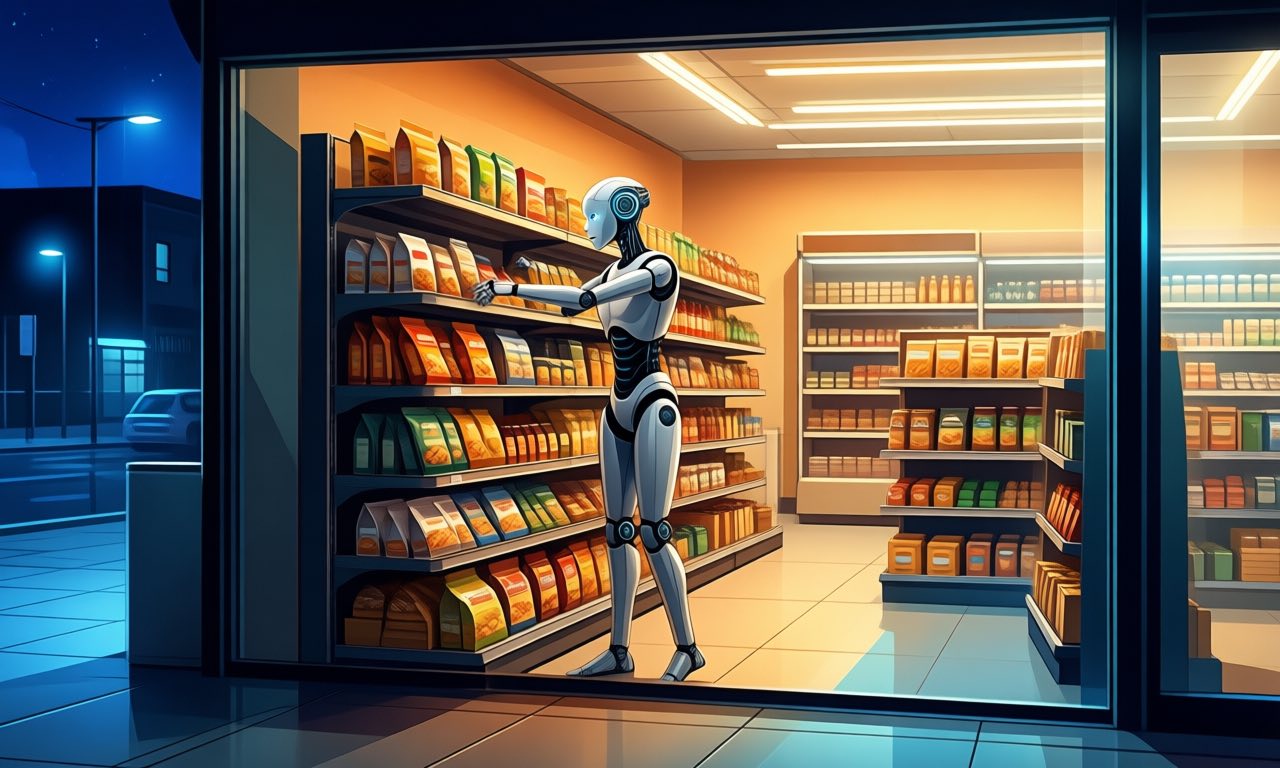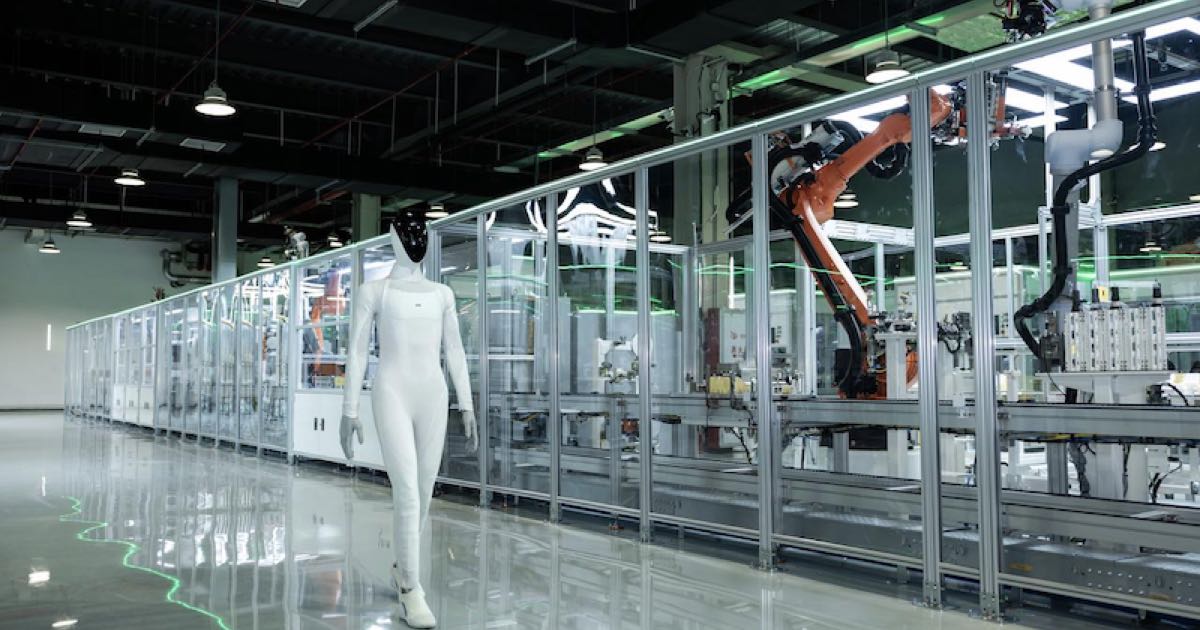
A NASDAQ-listed hospitality robotics company has put a humanoid at a hotel front desk — at least on paper. YYForce announced on November 24 that it has launched Six Seven, or 67, a humanoid robot built for hotel concierge work, planned for deployment at Novotel Singapore on Stevens. Per Unite.AI’s launch coverage, the hotel’s team named the robot — which tells you something already: the property is close enough to the machine that its staff get to pick the name.
The interesting line in the announcement is what Six Seven is for. Most hotel robots you will meet today are wheeled delivery carts with a fixed mental map: towel to room 1204, back to desk, repeat. Six Seven is designed for open-ended lobby conversation instead — guests can ask it for restaurant details, directions, opening hours, menus and the day’s activities, and it can also field questions about the neighborhood: attractions, getting around, tourism recommendations across Singapore. That is a fundamentally harder product than a delivery fleet, because there is no script for what a guest asks next.
The same launch was carried by Investing.com, StreetInsider and Yahoo Finance within hours on 24 November, so the deployment is corroborated across the business press, though all three syndicated the company’s own release language rather than reporting independently from the hotel lobby.
Trained in simulation, running at the edge
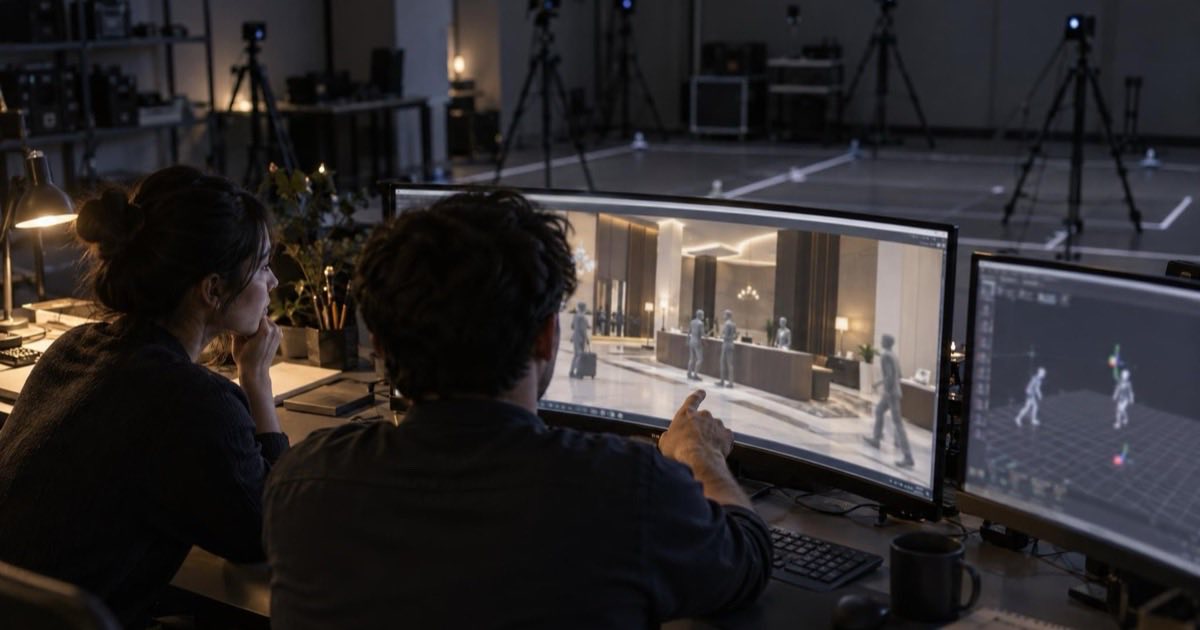
Technically, the robot is a fairly explicit advert for the current NVIDIA physical-AI stack. According to the company, Isaac Sim supplied the physical-AI simulations and synthetic training data that taught the concierge its skills, while a Jetson module runs voice inference on-device for low-latency conversation — the robot does not round-trip your question to a cloud data center before it answers. Anyone who has stood in a hotel lobby talking at something shaped like a kiosk will understand why the latency line is the one YYForce leads with.
Six Seven runs on YYForce’s Workforce OS, the modular software architecture unveiled on October 22 covering computer vision, mapping and navigation, manipulation, natural-language interaction and multi-robot coordination. In other words, the concierge is the first customer-facing product on top of a platform the company spent October announcing.
The rollout arc is the real story
What makes this deployment worth more than a press release is the sequence behind it, which an analysis from AEDU reconstructs cleanly. YYForce, a workforce and facility management company, opened a Robotics Training, Data and Experience Center in Singapore on October 6 to train humanoids in mock-up settings — housekeeping, restrooms, banquets — while collecting operating data and testing how people and robots share work. On October 30 it announced a fleet of 11 autonomous service robots across the dual-branded Novotel and Mercure Singapore on Stevens under a 24-month robotics-as-a-service agreement, a move KuCoin’s news wire also covered.
So the arc reads: build a training center, seed the same property group with a delivery-and-housekeeping fleet running on a two-year service contract, then graduate to a guest-facing conversational humanoid in the same lobby. Train in a controlled space first, then deploy — which is exactly the pattern Singapore operators are settling into, and exactly the pattern that was missing from most of the hotel-robot demos filmed over the last five years.
What to make of it
Concierge robots have a long history of not working, and the honest reason is not the hardware. A hotel front desk is a conversation with strangers who have luggage, jet lag and unscheduled needs; the failure mode of every previous attempt has been the robot’s inability to handle the unpredictable half. A humanoid that can do that, at a listed company, in a flagship hotel chain’s property, is a live test of whether language models have finally caught up to hospitality’s version of the problem — and the Jetson detail suggests YYForce thinks they have, at least well enough to run the dialogue at the edge.
The robotics-as-a-service contract matters more than the robot does. A 24-month agreement turns hotel robotics from a demo into an operating expense line a general manager can budget, which is how any technology actually spreads through a hospitality group.
The naming detail is small but worth noticing. A hotel team naming a robot “Six Seven” — the internet’s current favorite number joke — is a humanizing artifact of staff working alongside the machine, and a reminder that on the properties where these deployments actually happen, the robots are being adopted socially long before they are perfect technically.
New Zealand’s hotel sector fits this customer profile better than most: chronically short-staffed, seasonal, and with properties in exactly the mid-to-upper tier where a 24-month robot subscription beats another staff hire that may never arrive. If the Novotel pilot holds up, expect the RaaS pitch to land in Tauranga or Queenstown hotel meetings before the end of the decade.
Further reading: how a cash-crisis humanoid startup staged its debut, XPeng’s full-stack IRON roadmap from its AI day, and where the money for robot hardware startups is coming from.